
How to reset asus router? Complete Guide
An ASUS router is a powerful device that can provide you with high-speed internet access, secure wireless connections, and a variety of other features. However, due to issues out of your control, you can discover problems while using the device. These can be related to the network setup, to login issues, and more. If you’re having trouble with your ASUS router, resetting it may be the solution. This blog will walk you through how to reset asus router in easy steps.
Why and how to factory reset asus router?
Resetting asus router can help resolve several issues. Some of the reasons you might need to reset your Asus router include:
1. Network connectivity issues
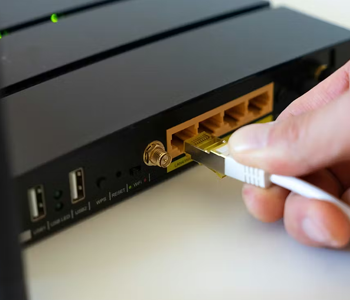
If your router is not connecting to the internet or you are experiencing slow internet speed, resetting your router can help resolve these issues.
2. Forgotten login credentials
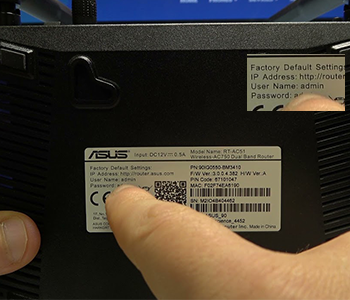
If you have forgotten your router’s login credentials, you can perform a factory reset to restore the default settings, including the default username and password.
3. Security concerns
If you suspect that your router has been compromised or hacked, a factory reset can help remove any malicious settings or configurations.
4. Configuration issues
If you have configured your router incorrectly and are experiencing issues with your network, performing a factory reset can help start over with the default settings.
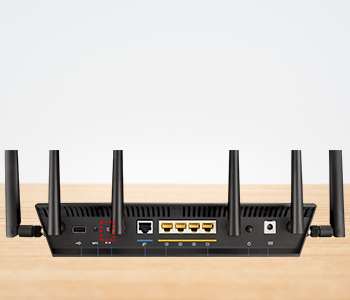
How to Reset ASUS Router?
Before we discuss how to factory reset asus router, it’s important to note that performing a factory reset erases all custom settings and configurations that you might have set up. So, make sure to take note of any custom configurations before performing the reset. To perform a factory reset on your Asus router, follow these steps:
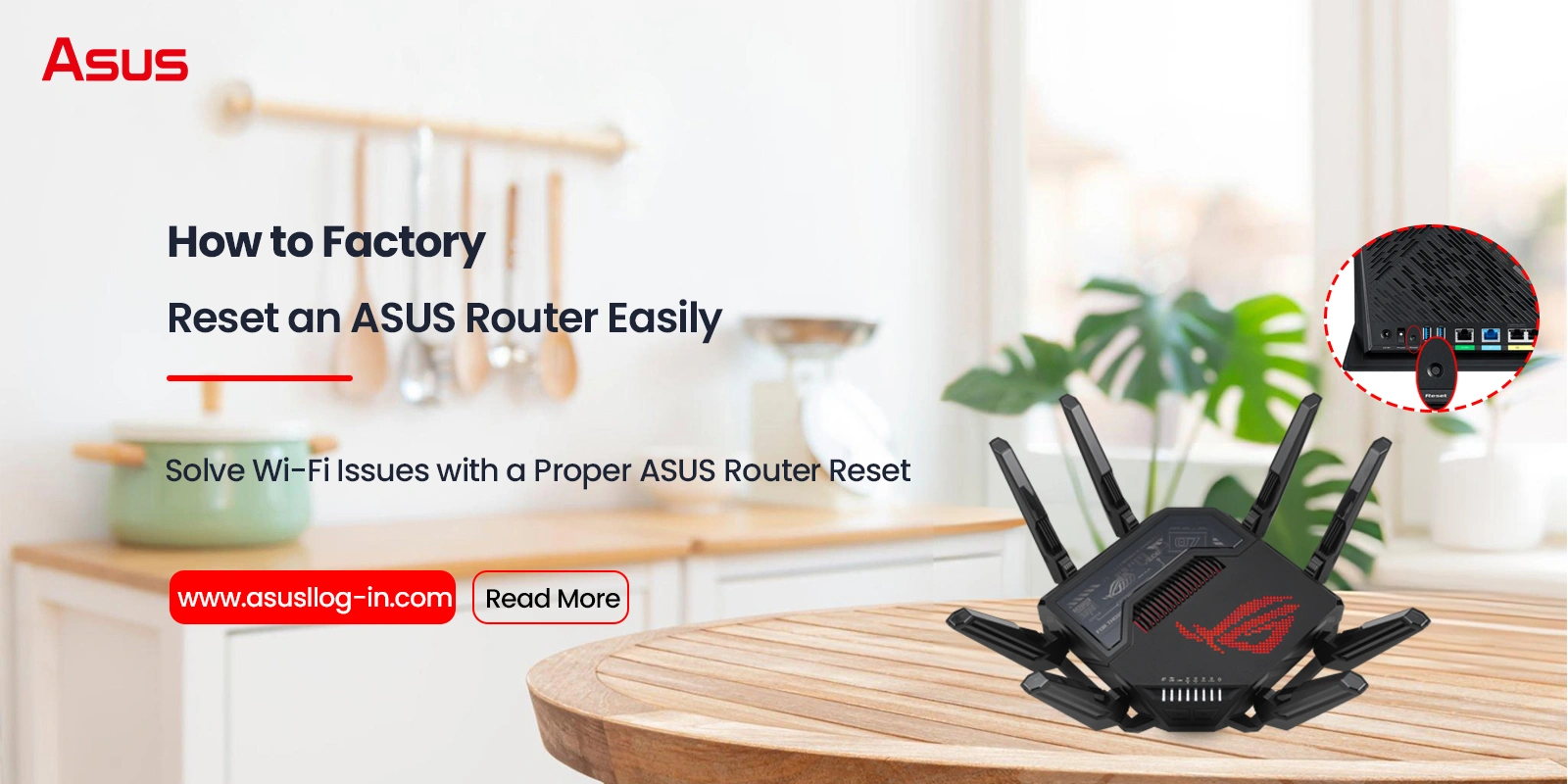
- Locate the reset button on your Asus router. It is usually located on the back of the router and labeled "reset" or "restore factory settings."
- Use a paper clip or a pin to press and hold the reset button for at least 10 seconds. You will see the lights on the router flash and then turn off and on again, indicating that the reset process has begun.
- Release the reset button and wait for the router to reboot. This may take a few minutes, so be patient.
- Once the router has rebooted, it will have been reset to its default settings. You can now log in to the router using the default username and password.
Tips to Consider Before ASUS Router Reset
Before you learn how to reset asus router, there are a few things you should keep in mind:
- Resetting your router will delete all of your settings, including the router's password.
- You will need to log in to the router's settings page and configure your settings again after you reset the router.
- If you have any custom settings, such as port forwarding or VPN settings, you will need to re-create these settings after you reset the router.
Troubleshooting common issues with Asus router factory reset and how to resolve them
While resetting asus router is a simple process, you might encounter some issues. Here are some of the most common issues you might face and how to resolve them:
- If the reset button on your Asus router is not working, try using a different paper clip or pin. If that doesn’t work, try resetting the router using the web interface.
- In case, the router is not resetting to default settings, make sure you are pressing and holding the reset button for at least 10 seconds. And if that doesn’t work, try resetting the router using the web interface.
- If you are unable to log in after resetting asus router, make sure you are using the correct default username and password. In case, you still can’t log in, try resetting the router again and make sure you are using the correct credentials.
- If you are experiencing firmware issues after the reset, try updating the firmware to the latest version. You can download the firmware from the Asus website.
FAQs
Q1. Can I reset my ASUS router using the mobile app?
Yes, resetting asus router is possible using the mobile app. To do this, open the app and go to the Settings tab. Then, scroll down and tap on the Reset Router button. A pop-up will appear asking if you are sure you want to reset the router. Tap on Reset again to confirm.
Q2. Will resetting my ASUS router delete all my settings?
Yes, resetting your ASUS router will delete all your settings, including the network name, password, and security settings. You will need to set up your router again after resetting it.
Q3. How often should I reset my ASUS router?
You should only reset your ASUS router if you are experiencing problems with it. There is no need to reset your router on a regular basis.
Q4. Can resetting the router solve slow internet speed issues?
In some cases, the decision to reset asus router can solve slow internet speed issues. However, if you are still experiencing slow speeds after resetting your router, you may need to contact your internet service provider.
Q5. Is it possible to recover my router settings after a reset?
Yes, it is possible to recover your router settings after Asus router reset. However, you will need to have a backup of your settings. If you do not have a backup, you will need to contact your internet service provider for help.
The Final Word
Knowing how to reset asus router can help resolve several issues, including network connectivity issues, forgotten login credentials, security concerns, and configuration issues. While the process is simple, it’s important to note that performing a factory reset erases all custom settings and configurations that you might have set up. So, make sure to take note of any custom configurations before performing the reset.
If you encounter any issues during the reset process, such as the reset button not working or the router not resetting to default settings, try troubleshooting the issue or asus router reset to factory settings using the web interface. Additionally, if you are unable to log in to the router after the reset, make sure you are using the correct default username and password.
Performing a Asus router factory reset is a simple and effective way to resolve several issues. However, it’s important to note that this process erases all custom settings and configurations. Therefore, make sure to take note of any custom configurations before performing the reset, and always try troubleshooting any issues before performing a reset.